

Omnichannel Distribution in Wellness: Balancing Retail, Ecommerce, and Marketplaces

As the health and wellness industry continues to expand globally, omnichannel distribution has become a strategic priority rather than a competitive advantage. For brands, manufacturers, distributors, and retailers, the challenge is no longer whether to sell across multiple channels—but how to balance retail, ecommerce, and marketplaces within a cohesive omnichannel strategy.
In wellness, where trust, consistency, and accessibility are critical, a well-executed omnichannel retail strategy can drive growth, improve customer loyalty, and unlock new markets.
Why Omnichannel Distribution Matters in Wellness
Consumers today move fluidly between physical and digital environments. They may discover a product in a pharmacy, research it online, read reviews on a marketplace, and ultimately purchase via ecommerce or subscription. This behavior makes multichannel distribution insufficient on its own—brands must ensure continuity across every touchpoint.
According to McKinsey, companies that successfully implement omnichannel strategies can achieve higher customer satisfaction and stronger retention, as consumers value seamless experiences across channels. This is especially relevant in wellness, where education and reassurance play a central role in purchasing decisions.
Understanding the Core Distribution Channels
An effective omnichannel distribution strategy in wellness typically integrates three main pillars:
- Wellness Retail
Brick-and-mortar wellness retail—including pharmacies, specialty health stores, and mass retail—remains essential for credibility and discovery. Physical retail supports:
- Trust-building and professional recommendation
- Product trial and impulse purchasing
- Visibility among less digitally driven consumers
Retail presence also reinforces brand legitimacy, particularly in regulated health categories.

- Wellness Ecommerce
Wellness ecommerce enables brands to control messaging, gather first-party data, and build direct relationships with consumers. Ecommerce channels support:
- Broader product assortments
- Educational content and storytelling
- Subscription models and repeat purchasing
Deloitte highlights that ecommerce-led strategies allow brands to test new products quickly and scale with lower geographic constraints—an important factor for international expansion.
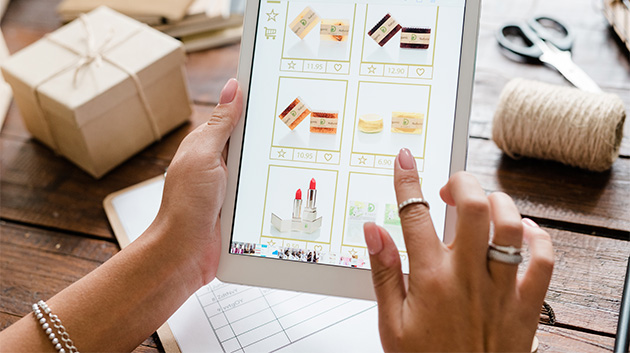
- Wellness Marketplaces
Marketplaces such as Amazon and region-specific platforms play a critical role in modern distribution channels. They offer:
- High traffic and strong search-driven discovery
- Social proof through ratings and reviews
- Efficient logistics and fulfillment
According to NIQ, marketplace presence significantly influences purchase decisions in health and wellness categories, particularly among first-time buyers researching preventive or daily-use products.

From Multichannel to True Omnichannel
While many companies operate across several channels, true omnichannel distribution in wellness requires alignment—not duplication. This means:
- Consistent pricing and positioning across channels
- Coordinated promotions and launches
- Unified brand messaging and education
- Strategic channel roles (not competition between channels)
Harvard Business Review emphasizes that omnichannel success depends on designing channels to complement one another rather than cannibalize sales—a principle especially important for wellness brands managing both professional retail and direct-to-consumer platforms.
Operational Challenges—and How to Overcome Them
Balancing multiple channels introduces complexity, particularly in wellness where regulation, inventory management, and product education are key. Common challenges include:
- Channel conflict between retail partners and ecommerce
- Inventory visibility across platforms
- Regulatory and labeling differences by market
- Maintaining brand consistency at scale
This is where experienced partners make a difference. Companies with global manufacturing and distribution expertise are better positioned to support omnichannel execution while maintaining compliance and efficiency.

The Role of Experience and Trusted Partnerships
After more than 20 years bringing health and wellness products to markets around the world, we have seen omnichannel strategies evolve from simple distribution models into integrated growth engines. The most successful wellness brands share three traits:
- They understand the unique role of each channel
- They invest in long-term retail and digital partnerships
- They work with suppliers who can adapt products, formats, and logistics across markets
At Victoria World Wide, we support partners across retail, ecommerce, and marketplace environments—helping them design omnichannel strategies for wellness brands that are scalable, compliant, and market-ready.
Why Omnichannel Is a Growth Multiplier
A balanced omnichannel distribution strategy allows wellness brands and distributors to:
- Reach consumers wherever they prefer to shop
- Reduce dependence on a single channel
- Improve data-driven decision-making
- Strengthen brand equity and consumer trust
As wellness continues to shift toward daily routines and preventive care, omnichannel distribution will remain a defining factor in category leadership.
Omnichannel distribution in wellness is no longer optional—it is essential for sustainable growth. Brands and distributors that successfully balance wellness retail, wellness ecommerce, and wellness marketplaces are better positioned to meet evolving consumer expectations and expand globally.
If you are looking to refine or scale your omnichannel approach, partnering with an experienced global player can help you move faster and smarter.
Contact us at vwwbc.com to explore how our expertise and global reach can support your omnichannel growth strategy.
References
1. McKinsey & Company. Omnichannel: The path to customer-centric growth.
2. Deloitte. The future of retail: How omnichannel strategies drive growth.
https://www.deloitte.com/global/en/Industries/retail/insights/future-of-retail.html
3. NielsenIQ. The importance of omnichannel strategies in health and wellness retail.
https://nielseniq.com/global/en/insights/analysis/2023/omnichannel-retail-strategy/
4. Harvard Business Review. A better way to think about omnichannel retail.
https://hbr.org/2017/07/a-better-way-to-think-about-omnichannel-retail